
Wearable Tech5 min read
Fitbit Became Google Health: What Changed and What Broke
Fitbit's app is now Google Health. Here is what the migration actually changed, what bugs are still open, and how to protect your data.
Read more
Health insights, wellness tips, and product updates from the MotionSync team.
Fitbit's app is now Google Health. Here is what the migration actually changed, what bugs are still open, and how to protect your data.

Oura discontinued its browser dashboard on October 5, 2026. Here's exactly where your data lives now and how to request a full export.

Your AI coach stated a recovery number that contradicts your own dashboard. Here is why that happens and what separates a grounded answer from a fluent guess.
An updated, honest comparison of MotionSync and ChatGPT Health after its July 2026 rollout: wearable support, accuracy, and daily use.
Canceling Oura, WHOOP, or a similar subscription doesn't delete your data, but it can lock you out of seeing it. Here's what actually happens.
Your wearable says high stress but you feel calm, or the reverse. Here's what the score is really measuring and why it often disagrees with how you feel.

Not getting enough deep sleep? These 8 science-backed methods can measurably increase deep sleep, with sources and what to track on your wearable.
Your health data isn't automatically deleted or protected if a wearable or health app company folds. Here is what bankruptcy law actually allows.
A practical guide to using your HRV number: what changes it day to day, how to read a drop, and how to decide what to do about it.

HRV tends to dip and resting heart rate tends to rise in the luteal phase. Here is what the research says and how to read your own wearable data.
Heart rate is measured. Calories, VO2 max, sleep stages, and stress scores are estimated. Which wearable numbers are raw sensor data, and which are algorithm.
Most fitness trackers and health apps are not covered by HIPAA. Here is which law actually applies to your wearable data, and what that means for you.
Raw wearable numbers like HRV or a readiness score are meaningless alone. Learn why context, not more data, is what actually makes tracking useful.
Upgrading from Fitbit to Garmin or Apple Watch to Oura? Here is what actually transfers, what you lose, and how to protect your historical trends.
What actually happens when you link Apple Watch, Oura, or Garmin to a third-party app, and the questions worth asking before you do.

Heat can add 20-30 bpm to your run at the same pace. Here is what your wearable shows and how to train in it safely.

A low HRV reading is a signal, not a verdict. Here are the real causes, when to worry, and what your data is telling you.
Just 2% dehydration drops HRV by 15-20% and raises resting heart rate 5-10 bpm. Here is what your wearable actually shows.

Crossing time zones drops HRV by 20-30% for 4-7 days. Here is what your wearable shows during travel and how to recover faster.

Short yourself sleep all week, crash on Saturday — are you whole? The research is more nuanced. What your wearable reveals about sleep debt.
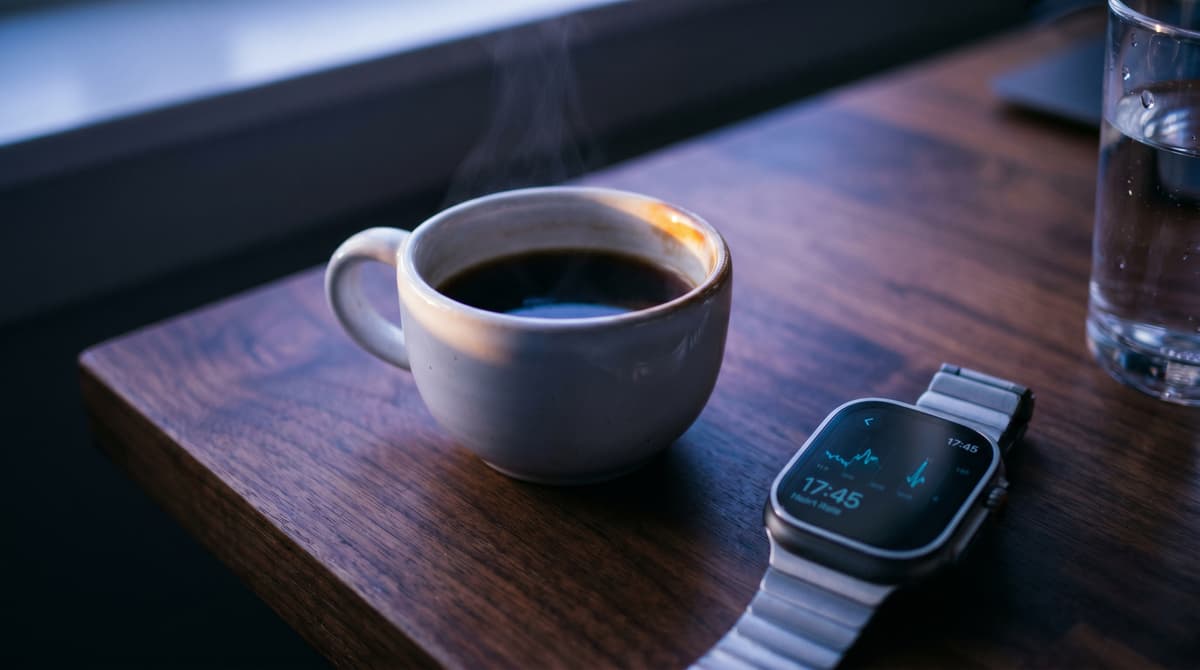
That 3 PM coffee is still affecting you at midnight. What caffeine does to your sleep, HRV, and resting heart rate — and what your wearable shows.
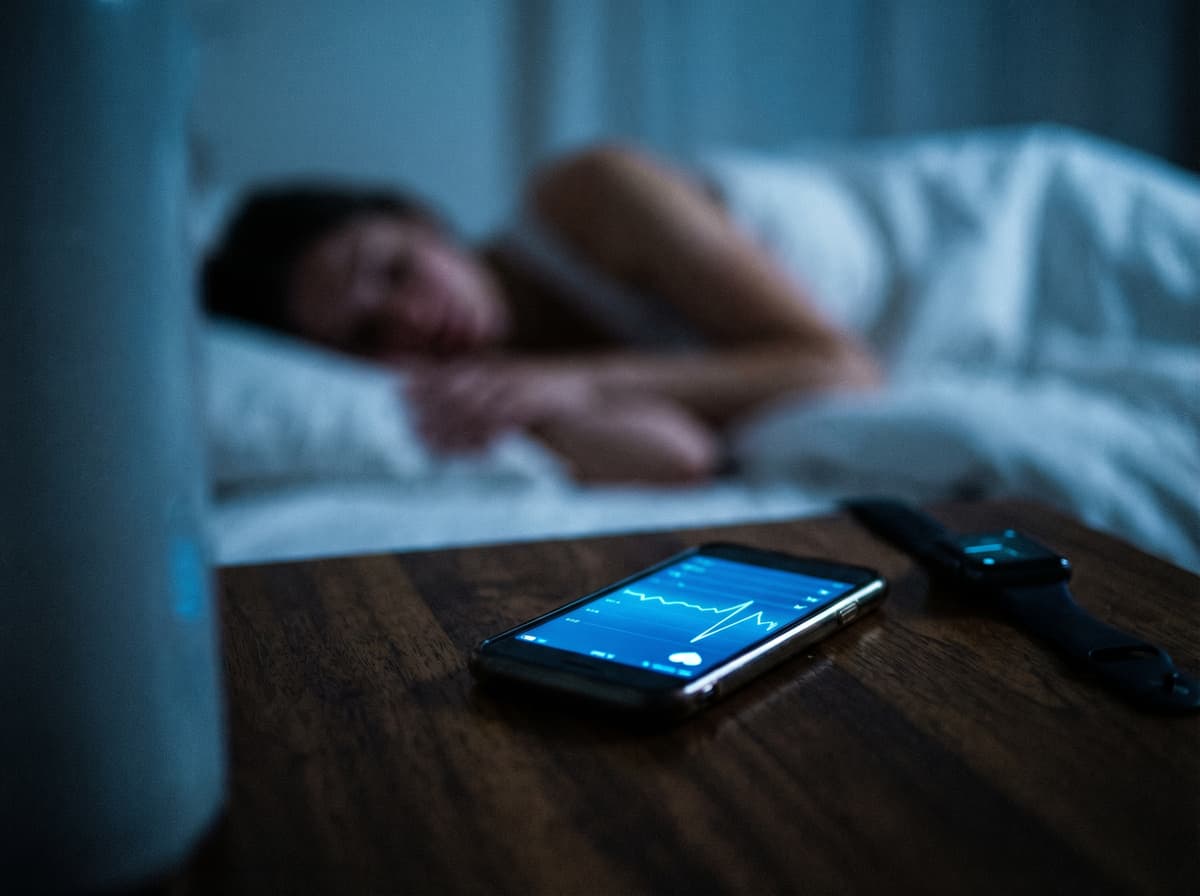
You checked your wearable and saw your heart rate jumped to 120 BPM at 3 AM. Learn the 8 most common causes of nighttime heart rate spikes and when to worry.

Your body sends warning signs before overtraining sets in. Learn the 7 data patterns in your HRV, heart rate, and sleep that say back off.
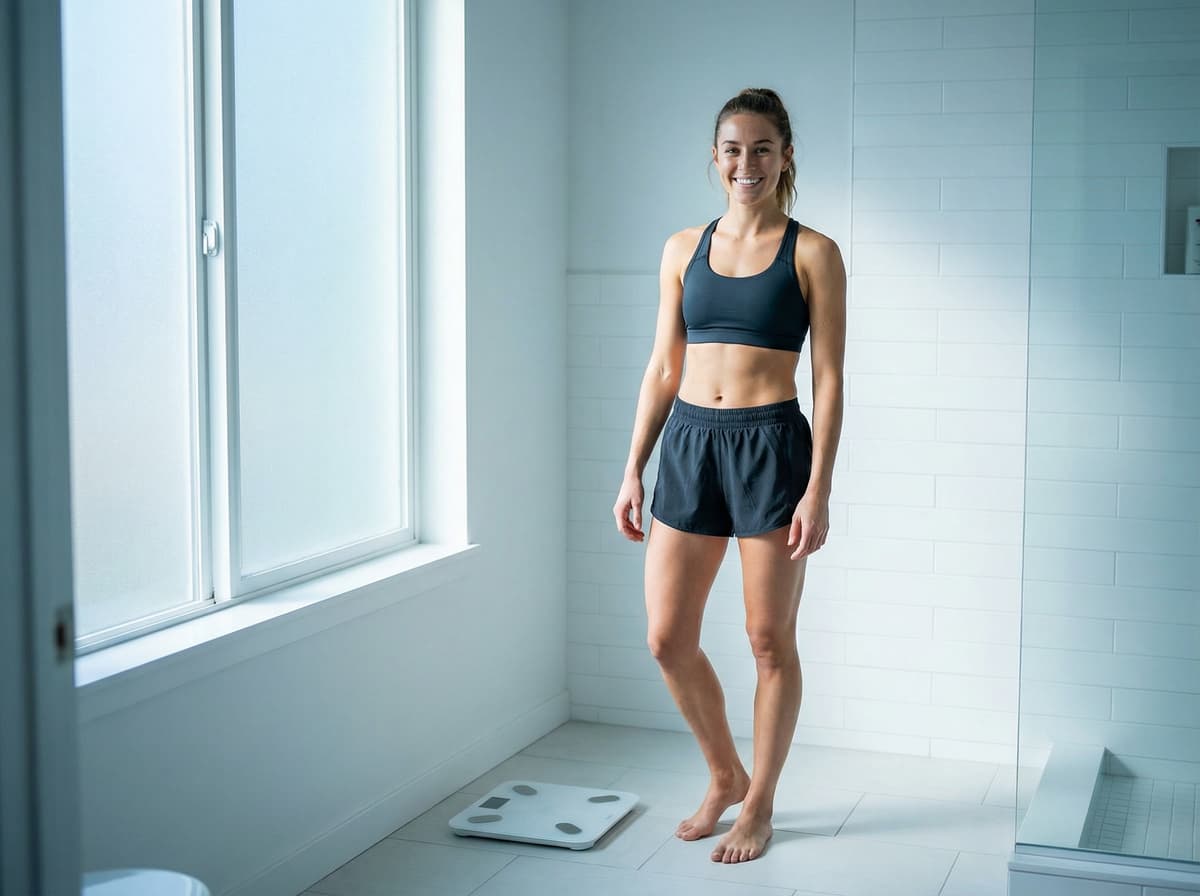
Weight alone tells you almost nothing. Learn what body composition measures, how it connects to your wearable data, and why muscle mass matters.
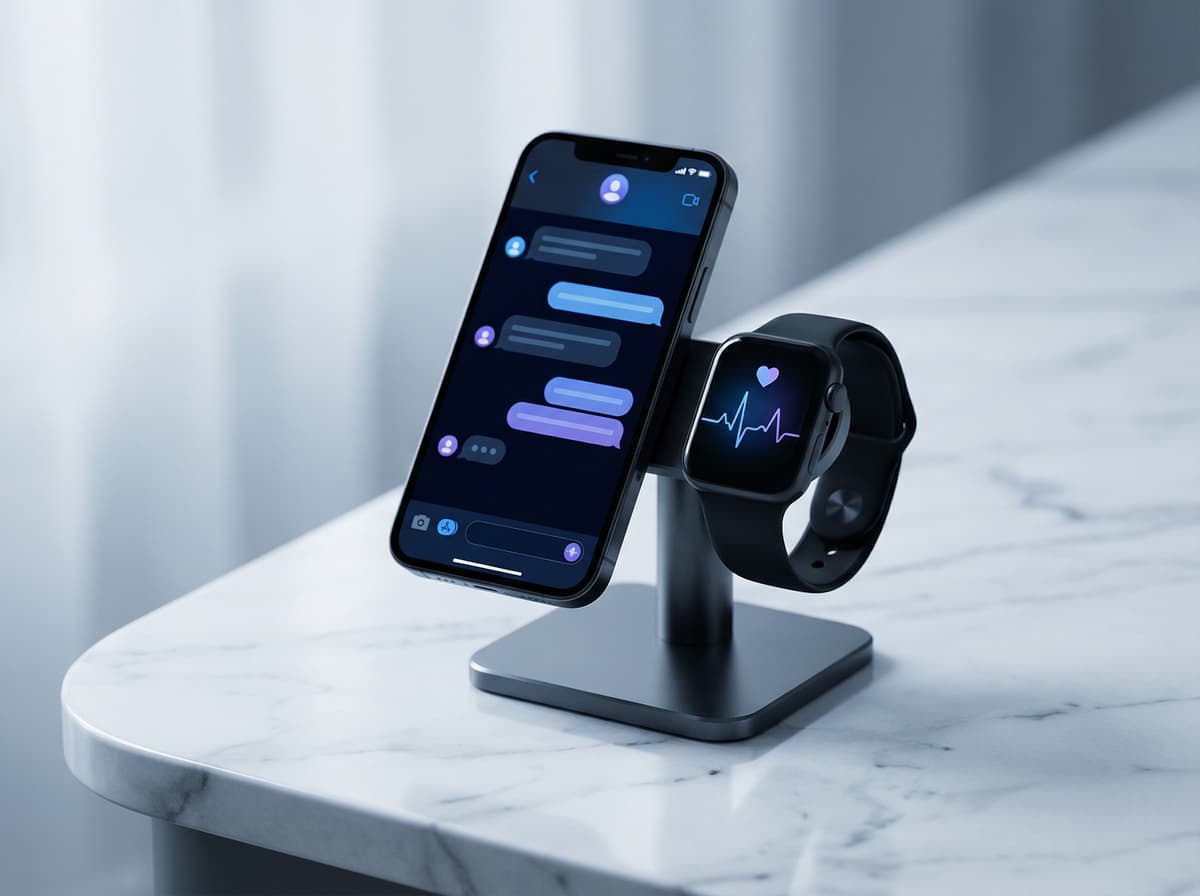
Your doctor sees you once a year. Your wearable sees you every day. Learn how AI and continuous tracking are reshaping preventative care.

Stress leaves a measurable signature in your wearable data. Learn what the stress-sleep feedback loop looks like and how to break it.
Your wearable tracks breathing rate every night. Learn why respiratory rate is the most stable and clinically useful metric you own.

You slept 8 hours but feel exhausted. Learn why sleep duration and quality differ, and what your wearable data means.
Garmin says 45ms, Oura says 32ms. Learn why wearables report different HRV values and which number matters.
Your wearable tracks blood oxygen while you sleep. Learn what SpO2 is, normal ranges, what causes it to drop, and how accurate your device really is.
Should you run or lift? Research says both. Here's how cardio and strength training affect your health metrics differently, and how to balance them.

Your body runs on a 24-hour clock that controls sleep, hormones, and performance. Here's how it works and what happens when it breaks.

Two drinks drop your HRV by 28-33% and cut REM sleep by 59%. Here's what alcohol actually does to your recovery data.
Acute vs chronic inflammation explained. Learn how your wearable detects inflammatory signals through HRV, resting heart rate, and temperature changes.

VO2 max explained in plain English. Why it predicts longevity better than almost any other metric, what the ranges mean, and how to improve yours.

We compared Oura, WHOOP, Apple Watch, Garmin, and Fitbit against clinical sleep studies. Here's which tracks sleep most accurately.

Heart rate zones explained in plain English. Learn what each zone does, how to calculate yours, and why your wearable might have it wrong.

HRV explained in plain English. Learn what heart rate variability is, normal ranges by age, and how to improve it.
Your body temperature isn't 98.6°F. Learn what temp variations reveal about sleep, stress, recovery, and illness.

Your fitness tracker's calorie count is off by up to 93%. Here's what actually matters and how to use the data.
Turn your wearable data into daily habits that actually stick. A practical guide to data-driven health routines.
Your wearable knows when you're ready to train and when you need recovery. Here's how to read the signals.

10,000 steps came from a pedometer ad, not science. Here's what 350,000+ study participants reveal about steps and longevity.

Evidence-based ways to raise your heart rate variability. Breathing, sleep, exercise, and more — backed by research.

Apple Health stores your data but can't explain it. Here's what serious health trackers actually need — and why Apple agrees.

Your wearable tracks light, deep, and REM sleep every night. Here's what each stage does, what's normal, and what to watch for.
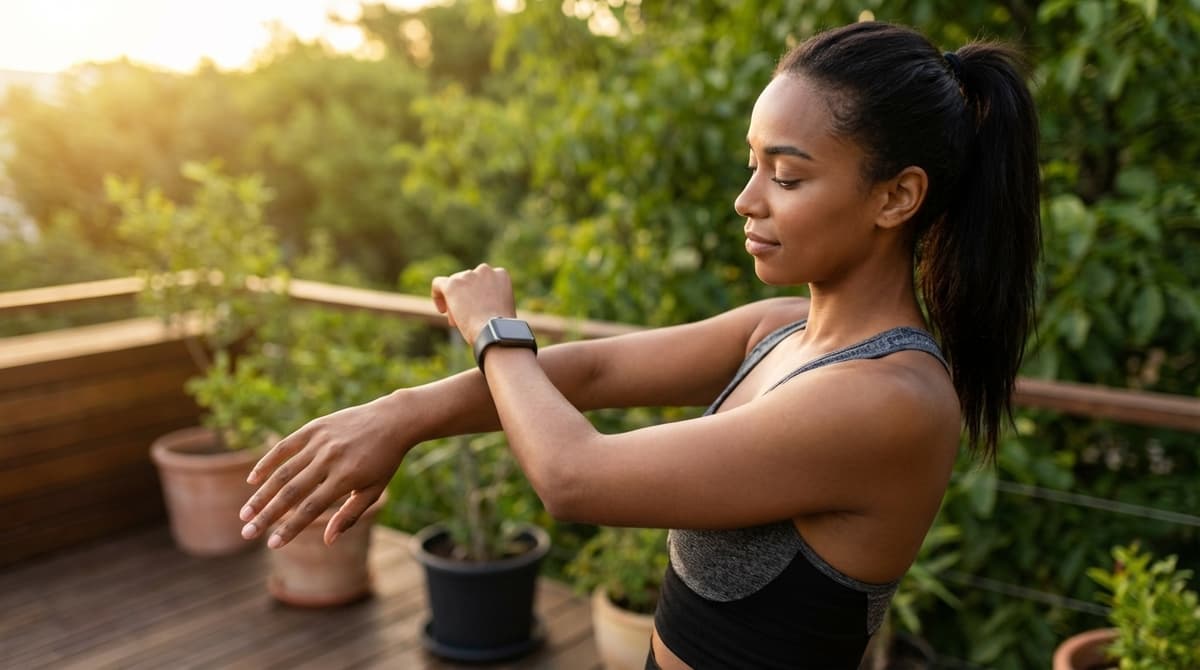
Your wearable gives you a recovery score every morning. Here's what it measures, why devices disagree, and how to use it.

Science says evening workouts build more power. Data says morning workouts stick. Here's how to use your metrics to decide.
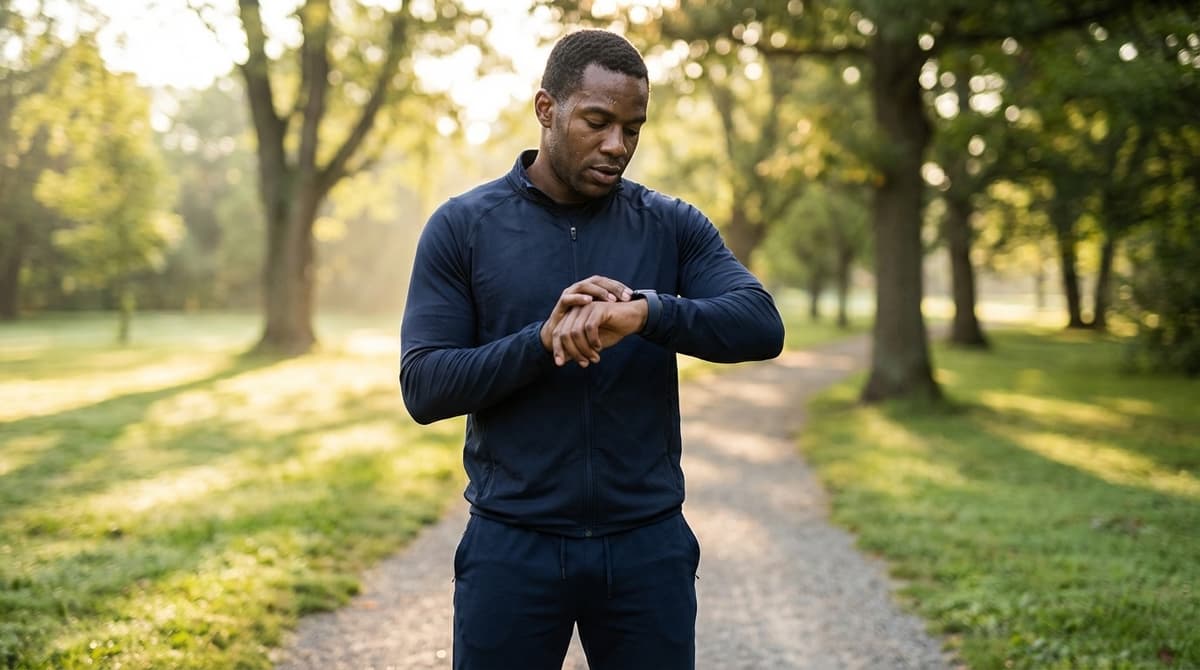
Your body sends stress warnings before you feel them. Learn how HRV, heart rate, and sleep patterns reveal hidden stress.

Learn what your resting heart rate means, what's normal by age and fitness level, and how to lower it. Your wearable tracks it — here's how to use it.

App fatigue is real. Here are 5 signs your health apps are hurting more than helping — and what to do about it.
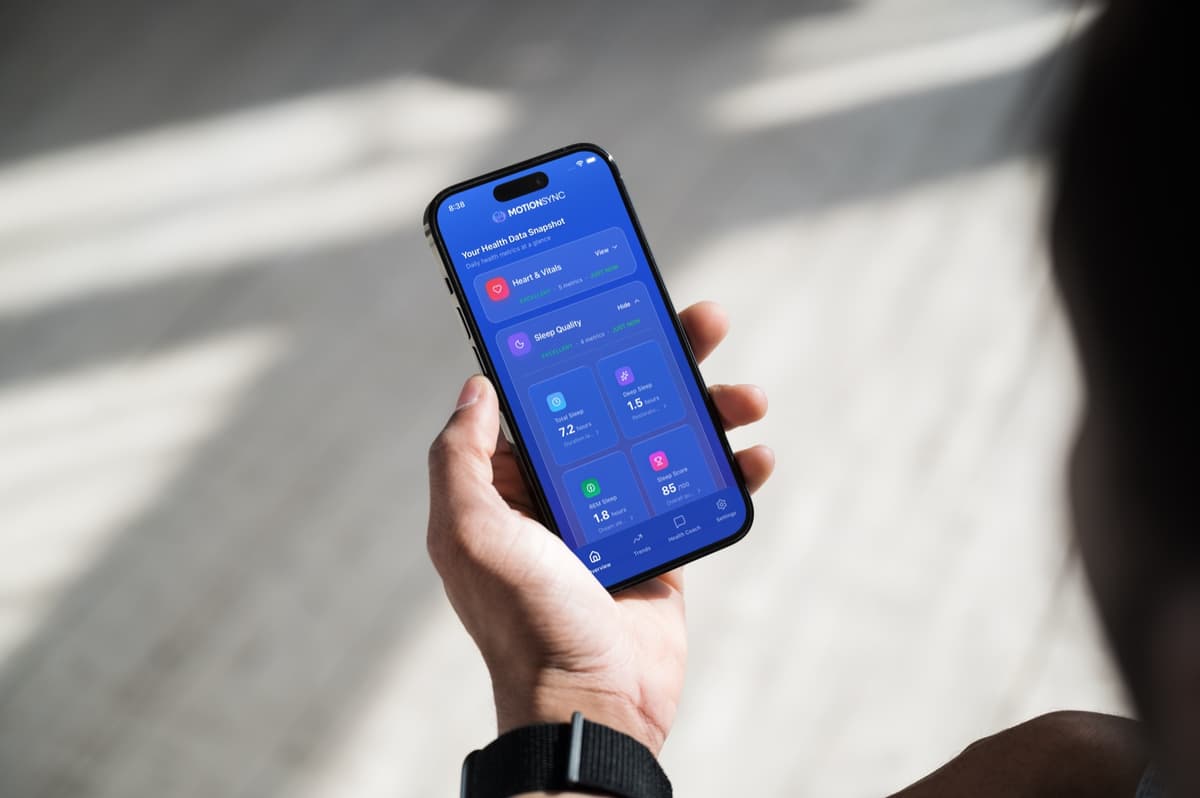
Discover how MotionSync consolidates sleep tracking, heart rate monitoring, activity logging, and AI health insights into one simple platform.
Get the latest health insights, product updates, and wellness tips delivered to your inbox. No spam, just useful content.
Unsubscribe anytime. We respect your privacy.