Best Wearable for Sleep Tracking in 2026
You're comparing sleep trackers on three browser tabs. The Oura Ring promises the most accurate sleep staging. The Apple Watch just added a sleep score. WHOOP redesigned everything with the 5.0. Your Garmin already tracks sleep but you're not sure how good the data actually is. Fourteen Reddit threads later, you're more confused than when you started.
Here's what most "best sleep tracker" roundups won't give you: the actual clinical accuracy numbers. We pulled data from polysomnography validation studies (the gold standard for sleep measurement) to show you which devices get sleep staging right and which ones are guessing. The answer might surprise you. But the bigger question is whether any single wearable can tell you what your sleep data actually means.
Quick Verdict
For accuracy, the Oura Ring Gen 4 wins. It scored highest in clinical validation for four-stage sleep classification and deep sleep detection. For comfort, also Oura. A 3-5 gram ring you forget you're wearing beats a watch strapped to your wrist. For budget, the Fitbit Charge 6 at $99-$140 with no required subscription delivers 80% of the value at a fraction of the cost. For the most complete sleep picture, WHOOP 5.0 tracks the widest range of metrics and ties them directly to recovery guidance.
But here's the part most comparison posts skip: none of these devices tell you what to DO with your sleep data. They give you numbers. You need the translation.
The Contenders
Oura Ring Gen 4
Price: $349 + $5.99/month membership ($72/year minimum) Form factor: Titanium ring, 3-5 grams
Oura was built for sleep. Not retrofitted, not added as a feature update. Sleep and recovery tracking is the core product.
What it tracks: Sleep stages (light, deep, REM, awake), HRV, SpO2, skin temperature, respiratory rate, movement, sleep latency, and a composite Readiness Score that tells you how recovered you are each morning.
Clinical accuracy: In a 2024 study at Brigham and Women's Hospital comparing three devices against polysomnography, Oura Ring scored a Cohen's kappa of 0.65 for four-stage sleep classification. It detected deep sleep with 79.5% sensitivity and wake episodes with 68.6% sensitivity. Both numbers were the highest of any consumer device tested.
Strengths: Most clinically validated sleep tracker. Ring form factor is genuinely comfortable for all sleep positions. 4-7 day battery means no nightly charging anxiety. Temperature trend tracking helps detect illness 1-2 days before symptoms. No screen to distract you at bedtime.
Limitations: The $72/year membership is mandatory. Cancel it and you lose access to most of your data. No real-time heart rate during exercise, which means it's not a standalone fitness tracker. You'll likely still need a watch for workouts.
WHOOP 5.0
Price: $199/year (One), $239/year (Peak), or $359/year (Life). Device included. Form factor: Slim screenless band, wearable on wrist, bicep, or clothing
WHOOP's model is different. You don't buy a device. You buy a membership, and the hardware comes with it. The 5.0 brought a major redesign with enhanced biometrics.
What it tracks: Sleep stages, HRV, SpO2, skin temperature, respiratory rate, sleep consistency, sleep debt, and a Recovery Score (0-100%) that directly informs how hard you should train today. The Peak and Life tiers add hormonal insights and a stress monitor.
Clinical accuracy: A 2024 JMIR systematic review found WHOOP had the least disagreement with polysomnography for total sleep time (off by only 1.4 minutes), light sleep, and deep sleep. Its biggest weakness: overestimating REM sleep by about 21 minutes.
Strengths: Recovery-to-training pipeline is the best in the industry. Sleep data doesn't just sit there. It directly tells you: "Your recovery is 43%. Keep it light today." Sleep coaching that accounts for accumulated sleep debt. No screen means zero bedtime distractions. Multiple wear positions (wrist, bicep, boxers, sports bra) for comfort.
Limitations: Subscription-only with no one-time purchase option. $199-$359 per year, every year. REM sleep accuracy is the weakest of the major trackers. The app can be slow to load data. No screen means you need your phone for everything.
Apple Watch Series 11
Price: $399 (Series 11), $799 (Ultra 2), $249 (SE 3) Form factor: Traditional smartwatch
The Apple Watch is the most popular wearable in the world. Sleep tracking has improved significantly, with watchOS 26 finally adding a sleep score.
What it tracks: Sleep stages, HRV, SpO2, wrist temperature, respiratory rate, sleep apnea detection (FDA-authorized, Series 9+), and a new sleep score based on duration (50 points), consistency (30 points), and interruptions (20 points). The Vitals app consolidates overnight metrics.
Clinical accuracy: Strong at detecting when you're asleep (97%+ sensitivity for binary sleep-wake classification). But stage classification is weaker. The same Brigham and Women's study gave it a Cohen's kappa of 0.60, with deep sleep sensitivity of just 50.5%, the lowest of the three devices tested. A 2025 meta-analysis in npj Digital Medicine confirmed moderate accuracy overall with "poor differentiation between physiologically similar stages."
Strengths: Only consumer device with FDA-authorized sleep apnea detection. Sleep tracking is one feature among hundreds (notifications, fitness, apps, calls). New sleep score in watchOS 26 finally makes Apple Watch competitive for sleep analysis. Deepest iPhone ecosystem integration. Vitals dashboard is clean and actionable.
Limitations: Battery life is the fundamental problem. Series 11 gets 24 hours, a real improvement, but sleep tracking means you can't charge overnight. You have to find a charging window during the day. Ultra 2's 36-hour battery helps, but it's $799 and heavier. Worst deep sleep classification of major trackers. Rectangular watch face digs into skin for side sleepers. Sleep tracking was clearly an afterthought in the product's design.
Garmin (Venu 3 / Fenix 8)
Price: $449 (Venu 3), $999+ (Fenix 8) Form factor: Traditional smartwatch (lifestyle or rugged outdoor)
Garmin's sleep tracking has quietly become one of the most feature-rich in the industry, especially with the Sleep Coach and Body Battery metrics.
What it tracks: Sleep stages, HRV, SpO2, skin temperature, respiratory rate, naps (including nap tracking toward recovery), Body Battery (energy level throughout the day), Sleep Coach (personalized bedtime recommendations), and a new circadian alignment feature (Q1 2026, Fenix 8/Venu 4).
Clinical accuracy: A University of Antwerp study found Garmin detected over 90% of sleep epochs (high sensitivity) but had lower specificity (29-52%) for distinguishing wake from sleep. Generally considered reliable for sleep/wake detection but less precise than Oura or WHOOP for stage classification.
Strengths: Sleep Coach is the most actionable guidance on any watch. It tells you when to go to bed based on your specific data, not a generic 8-hour recommendation. Nap detection counts toward recovery. Body Battery is intuitive: start the day at 80, watch it drain with activity, watch it recharge with rest. Multi-day battery (5-7 days on Venu 3, up to 29 days on Fenix 8 Solar) eliminates charging anxiety entirely. No subscription for any feature.
Limitations: Fenix 8 starts at $999, which is steep when Oura does sleep better for $349. Sleep stage classification lags behind Oura and WHOOP in validation studies. Garmin Connect app is data-dense but not beginner-friendly. Fenix 8 is bulky for sleep (especially the 51mm model). Forum complaints about sleep accuracy persist into 2026.
Fitbit Charge 6
Price: $99-$140 (frequently on sale). Fitbit Premium optional at $9.99/month. Form factor: Slim fitness band
The best value in sleep tracking, full stop.
What it tracks: Sleep stages, sleep score, SpO2, skin temperature variation, respiratory rate, resting heart rate. Premium unlocks detailed HRV data, sleep profiles (monthly "sleep animal" analysis), and more granular stage breakdowns.
Clinical accuracy: Cohen's kappa of 0.55 at Brigham and Women's. Deep sleep sensitivity of 61.7%. Wake detection at 67.7%. Middle of the pack, but solid for the price. A separate systematic review found the Fitbit Charge 4 "appropriate for deriving suitable estimates of sleep parameters."
Strengths: $99 gets you comprehensive sleep tracking with 80% of the essential features, no subscription required. Seven-day battery means charge once a week. One of the thinnest, lightest bands available, comfortable for all sleep positions. Google/Fitbit's sleep algorithm is mature and well-validated over years of data.
Limitations: Detailed sleep insights locked behind Fitbit Premium ($9.99/month). Fitbit's future under Google is uncertain, with minimal hardware updates since the Charge 6 launched in 2023. No sleep apnea detection. Sleep score algorithm is simpler than Oura's or WHOOP's.
Head-to-Head: What the Clinical Data Actually Shows
| Metric | Oura Ring Gen 4 | WHOOP 5.0 | Apple Watch S11 | Garmin | Fitbit Charge 6 |
|---|---|---|---|---|---|
| 4-Stage Accuracy (Cohen's kappa) | 0.65 | 0.62* | 0.60 | Not validated | 0.55 |
| Deep Sleep Sensitivity | 79.5% | Strong | 50.5% | Moderate | 61.7% |
| Wake Detection | 68.6% | Good | 52.4% | 29-52% specificity | 67.7% |
| Total Sleep Time Error | Low | -1.4 min | Moderate | Moderate | Moderate |
| REM Accuracy | Good | Weakest (+21 min) | Moderate | Moderate | Moderate |
| Battery (days) | 4-7 | 4-5 | 1 (S11), 1.5 (Ultra) | 5-29 | 7 |
| Comfort for Sleep | Ring (best) | Band (great) | Watch (fair) | Watch (fair-good) | Band (great) |
| Subscription Required | Yes ($72/yr) | Yes ($199-$359/yr) | No | No | No (core features) |
| Sleep Apnea Detection | No | No | Yes (FDA) | No | No |
*WHOOP's kappa is estimated from systematic review data; direct comparison study pending.
The data tells a clear story: Oura wins on accuracy. WHOOP wins on actionability. Apple Watch wins on features (sleep apnea). Garmin wins on battery and guidance. Fitbit wins on value.
Who Should Choose What
Choose Oura Ring if you care most about accurate sleep data and comfortable sleep tracking, and you're willing to pair it with a watch for daytime fitness. Best for: people who already own an Apple Watch or Garmin for workouts and want a dedicated sleep tracker.
Choose WHOOP if you want your sleep data to directly inform your training. The recovery-to-strain pipeline is unmatched. Best for: athletes and serious fitness enthusiasts who want to optimize the sleep-to-performance connection.
Choose Apple Watch if you want one device for everything (sleep, fitness, notifications, apps) and sleep apnea detection matters to you. Best for: iPhone users who want simplicity over sleep-tracking specialization. Just accept the daily charging trade-off.
Choose Garmin if you want a smartwatch with strong sleep tracking, multi-day battery, and no subscription. Best for: outdoor enthusiasts and runners who want sleep data integrated with a full training platform.
Choose Fitbit Charge 6 if you want reliable sleep tracking at the lowest possible cost, with the most comfortable form factor for sleep. Best for: anyone starting their health tracking journey or anyone who doesn't want another expensive subscription.
What If You Own More Than One?
Here's the truth most comparison posts won't tell you: the best sleep tracking setup isn't one device. It's the combination.
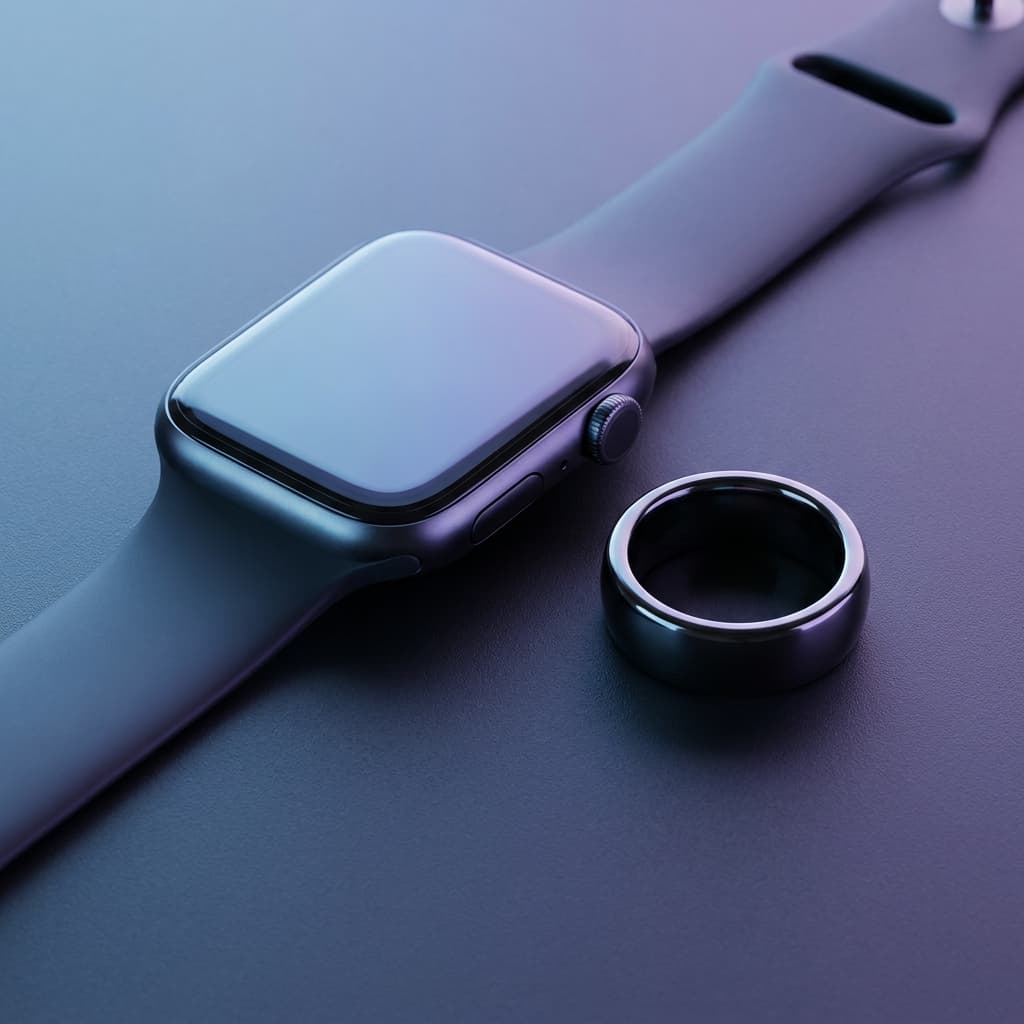
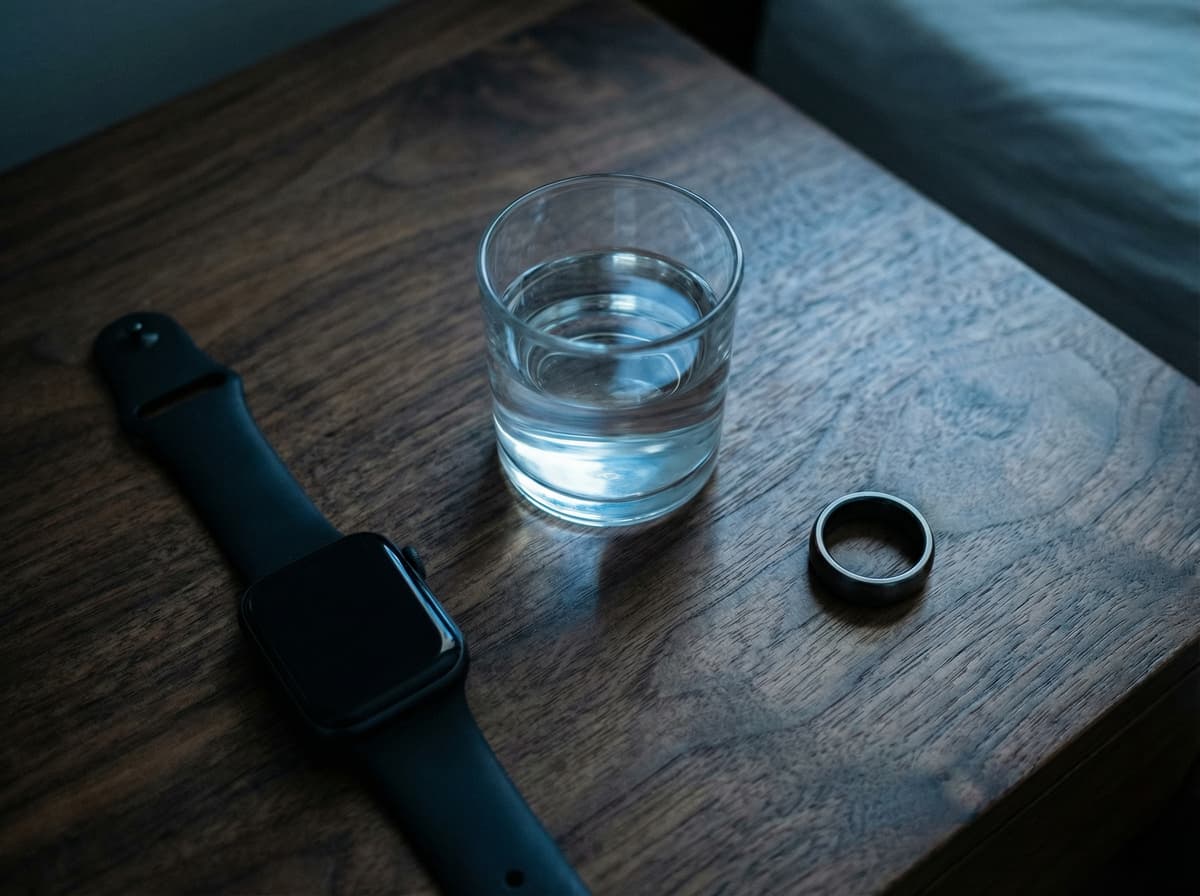
Oura for sleep accuracy. Apple Watch or Garmin for daytime activity and heart rate zones. Maybe WHOOP for recovery guidance. The problem is that each device lives in its own app, with its own dashboard, its own scoring system, and its own definition of "good sleep."
You end up checking three apps every morning and still not knowing what it all means together.
This is exactly why MotionSync exists. It connects your Oura, Apple Watch, Garmin, Fitbit, and Google Fit data into one view. Your AI coach doesn't just show you a sleep score. It explains why your deep sleep dropped 30% this week, connects it to your training load and stress patterns, and tells you what to adjust. In plain English.
Whichever device you choose, MotionSync connects it. See all your sleep data in one place.
FAQ
Q: Which sleep tracker is the most accurate? A: Based on polysomnography validation studies, the Oura Ring Gen 4 has the highest accuracy for four-stage sleep classification (Cohen's kappa 0.65) and deep sleep detection (79.5% sensitivity). WHOOP is closest for total sleep time accuracy, off by only 1.4 minutes.
Q: Do I need a subscription for sleep tracking? A: It depends on the device. Oura requires a $5.99/month membership for full features. WHOOP is subscription-only ($199-$359/year, device included). Apple Watch, Garmin, and Fitbit's core sleep tracking features work without a subscription. Fitbit Premium ($9.99/month) unlocks additional detail.
Q: Can a sleep tracker detect sleep apnea? A: The Apple Watch (Series 9 and newer) has FDA-authorized sleep apnea detection. Samsung Galaxy Watch 7 also has FDA authorization. No other consumer wearable has this clearance. Some devices (WHOOP, Oura) track respiratory patterns that may indicate breathing disturbances, but they are not FDA-authorized for diagnosis.
Q: Is a ring or a watch better for sleep tracking? A: For comfort, a ring is significantly better. The Oura Ring weighs 3-5 grams and most people forget they're wearing it. Watches can dig into your wrist, especially for side sleepers. For feature breadth (sleep apnea detection, notifications, daytime use), a watch offers more. Many serious trackers wear a ring for sleep and a watch for daytime.
Q: How accurate are consumer sleep trackers compared to clinical sleep studies? A: All consumer wearables are good at detecting when you're asleep versus awake (90%+ sensitivity). Where they struggle is classifying sleep stages accurately, particularly distinguishing deep sleep from light sleep. No consumer device matches polysomnography precision, but Oura and WHOOP come closest. Treat wearable sleep data as directional (good for trends) rather than absolute (not diagnostic).
Related Articles:
About the author

Written by MotionSync Team
Editorial Team
The MotionSync editorial team writes about wearable data, recovery, sleep, and heart health in plain English. Articles draw on peer-reviewed research and the metrics your wearable already tracks. Content is for general education and is not a substitute for medical advice.